Bali has evolved far beyond its reputation for beachside warungs and casual cafés. Today, the island stands as one of Southeast Asia's most exciting culinary destinations, where fine dining in Bali merges world-class gastronomy with the island's rich cultural heritage and breathtaking natural beauty.
But what exactly elevates a meal from simply "good" to genuinely luxurious? And how can discerning travelers identify authentic luxury dining Bali experiences amid the island's rapidly growing restaurant scene?
But what exactly elevates a meal from simply "good" to genuinely luxurious? And how can discerning travelers identify authentic luxury dining Bali experiences amid the island's rapidly growing restaurant scene?
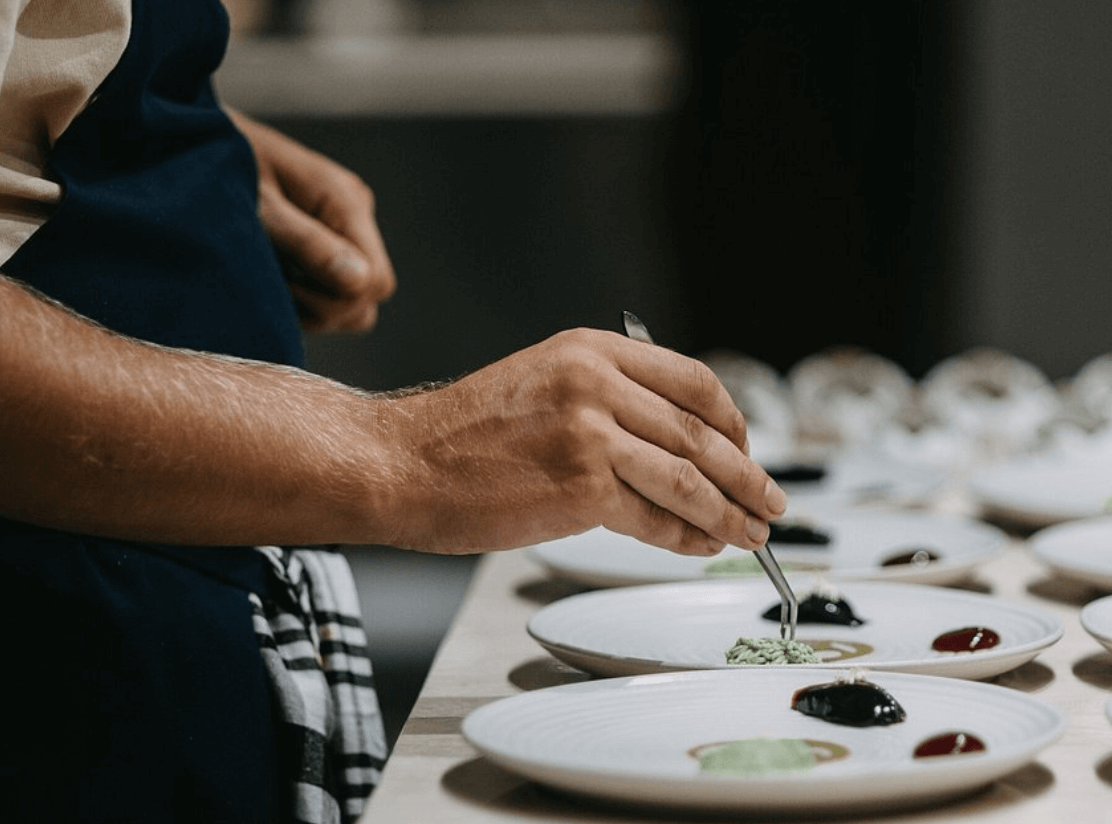
What Defines Fine Dining in Bali
True fine dining transcends mere presentation on a plate. In Bali's context, it represents a carefully orchestrated symphony of elements that engage all the senses and create lasting memories.
Culinary Excellence Meets Cultural Authenticity
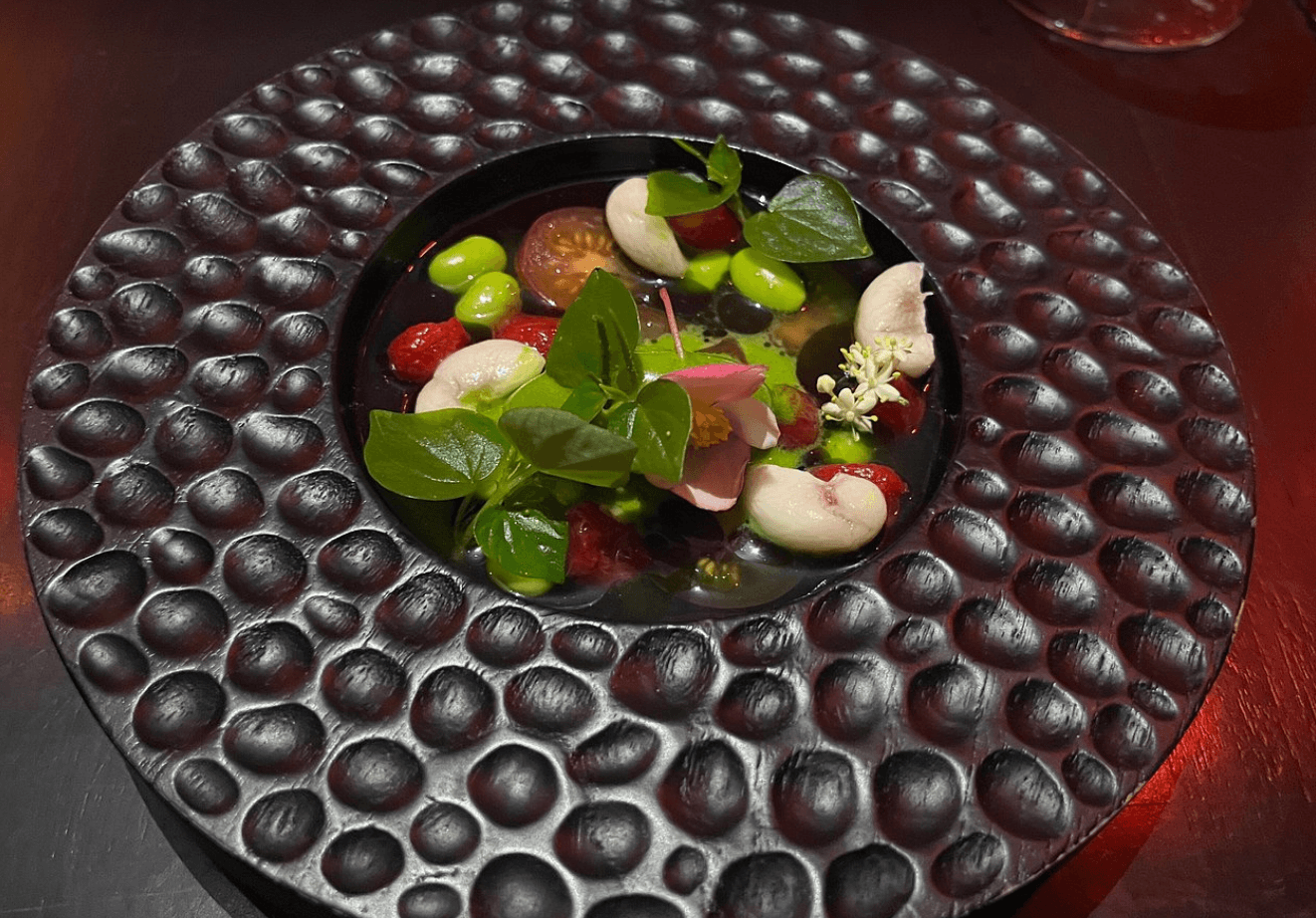
The island's most distinguished restaurants understand that gourmet dining Bali means more than importing international techniques. It requires honoring Bali's agricultural abundance—from Bedugul's highland vegetables to Jimbaran's daily catch—while applying sophisticated culinary methods that respect and elevate these ingredients.
At its core, fine dining in Bali should tell a story. Whether through locally sourced spices, traditional cooking techniques reimagined for contemporary palates, or the incorporation of Balinese ceremonial elements into the dining ritual, the experience should feel distinctly rooted in place.
Impeccable Service as Theater
In exclusive dining Bali establishments, service operates as a form of performance art. Staff members don't simply deliver courses; they guide guests through a carefully choreographed journey, anticipating needs before they're voiced and sharing the narrative behind each dish with genuine passion and knowledge.
This level of attentiveness requires extensive training, deep product knowledge, and an intuitive understanding of hospitality that balances warmth with professionalism—qualities that define Bali's finest dining rooms.
Ambiance and Atmosphere
Location matters profoundly. Bali's luxury restaurants leverage the island's natural drama—rice terrace vistas, jungle canopies, oceanfront settings—to create environments that feel both transportive and intimate. Thoughtful design, proper acoustics, and lighting that flatters both guests and cuisine all contribute to an atmosphere where conversation flows naturally and time seems to slow.
The Difference Between Casual Dining and Luxury Dining
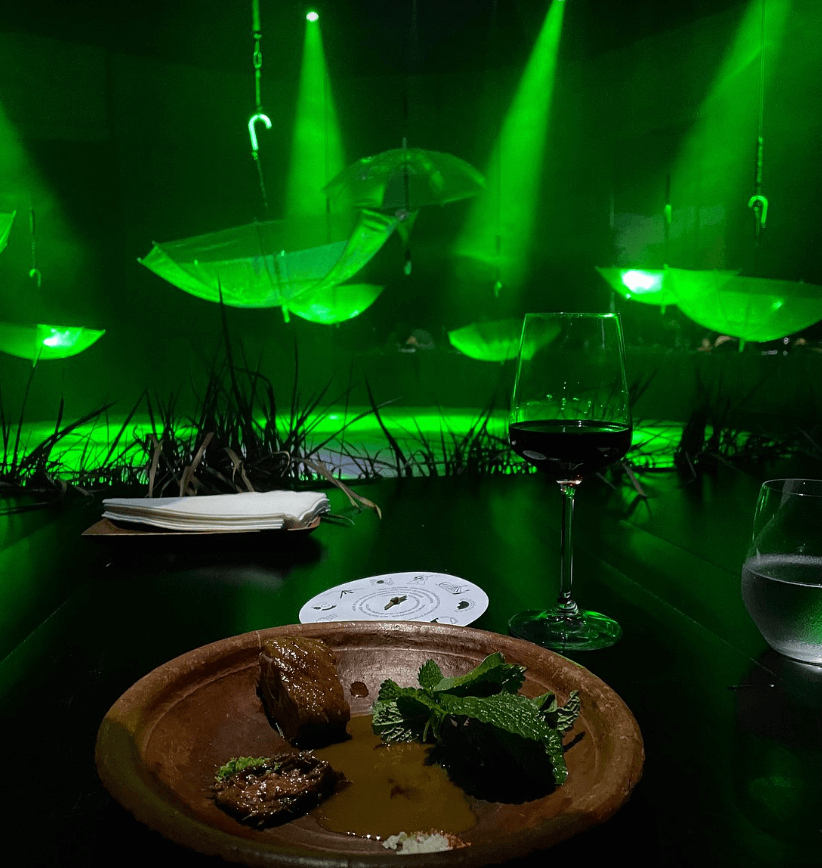
While Bali offers exceptional food at every price point, the distinction between casual and luxury dining experiences involves several key differentiators.
Ingredient Sourcing and Quality
Casual restaurants often rely on cost-effective suppliers and standardized ingredients. In contrast, fine dining Bali establishments build relationships with artisan producers, import specific specialty items when local alternatives don't meet standards, and sometimes maintain their own gardens to ensure peak freshness and quality control.
The difference is tangible: heirloom tomatoes versus standard varieties, line-caught fish versus farmed, heritage breed meats versus commercial options. Each ingredient represents a deliberate choice that compounds into an entirely different eating experience.
Technique and Complexity
Luxury kitchens employ classically trained chefs who execute techniques requiring years to master—from perfect emulsifications to precise temperature control for sous vide preparations. The labor intensity alone—whether hand-rolling pasta, creating intricate garnishes, or developing stocks that simmer for days—reflects a commitment to excellence that casual operations simply cannot sustain.
Exclusivity and Personalization
Exclusive dining Bali venues typically limit covers to maintain quality and intimacy. This controlled environment allows for personalized attention, dietary accommodations handled with creativity rather than reluctance, and the flexibility to create bespoke experiences for special occasions.
The scarcity itself becomes part of the luxury—securing a reservation becomes an achievement, and the experience feels curated specifically for you rather than replicated hundreds of times nightly.
The Role of Set Menus and Chef-Led Experiences
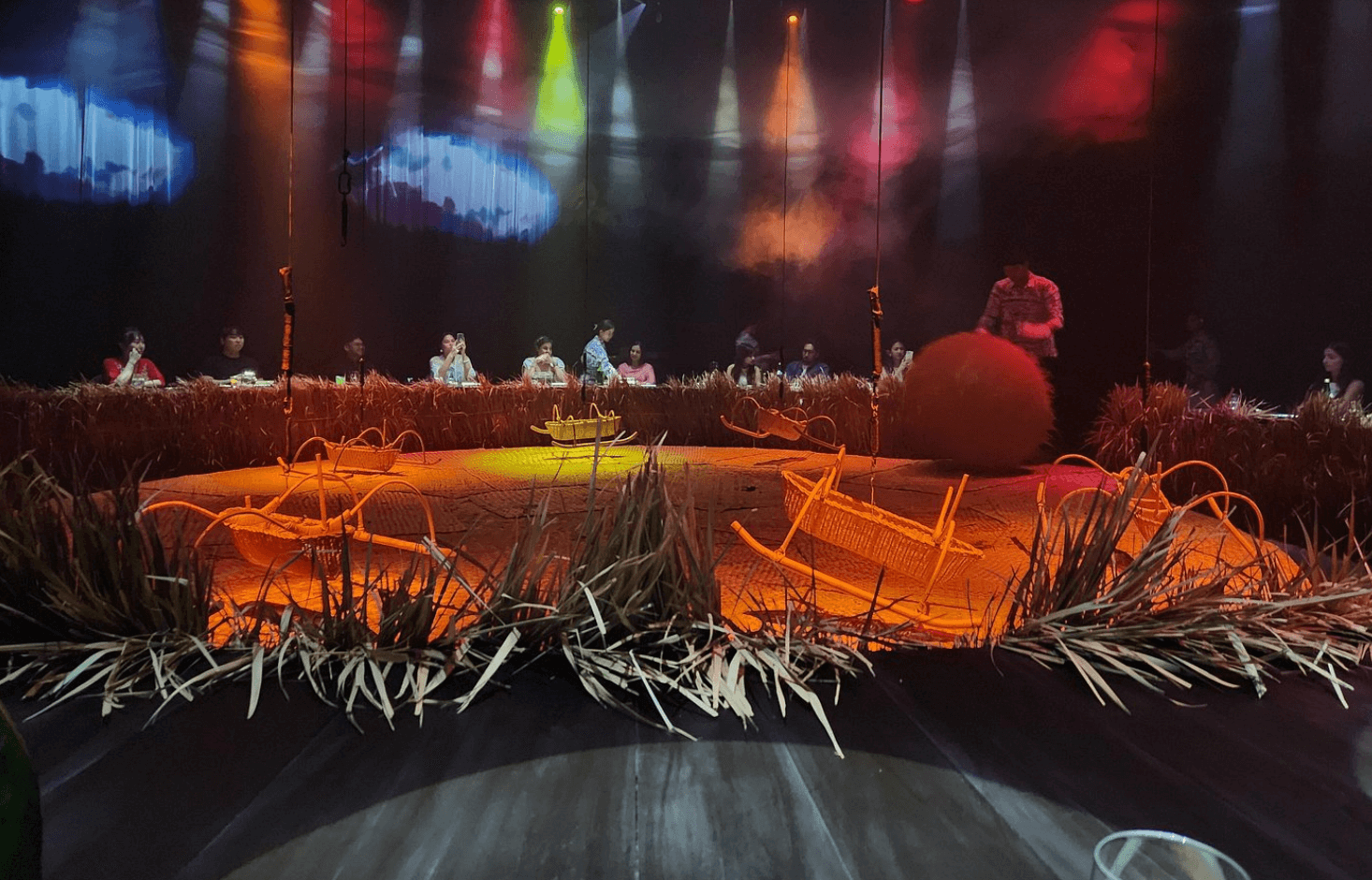
The rise of tasting menus and chef's tables has fundamentally reshaped luxury dining Bali over the past decade, moving the island's culinary scene toward more immersive, narrative-driven experiences.
Tasting Menus as Culinary Storytelling
Set menus liberate chefs from the constraints of à la carte ordering, allowing them to compose complete narratives through progressive courses. Each dish builds upon the last, creating flavor arcs and textural contrasts that simply aren't possible when guests order independently.
For diners, this format removes decision paralysis and ensures a balanced, expertly paced meal. You're not simply ordering dinner; you're entrusting yourself to the chef's vision and expertise—a fundamentally different relationship with the kitchen.
Seasonal and Market-Driven Flexibility
The best gourmet dining Bali tasting menus evolve constantly, adapting to seasonal availability and daily market finds. This approach ensures ingredients appear at their peak while keeping the experience fresh for repeat visitors. It also demonstrates a restaurant's commitment to sustainability and supporting local food systems.
Chef's Tables and Kitchen Theater
Counter seating at the chef's table or open kitchens transforms dining into spectator sport. Watching skilled practitioners execute complex techniques at close range adds drama and context to what arrives on your plate. The personal interaction—chefs explaining preparations, answering questions, sometimes customizing elements on the fly—creates connection impossible in traditional dining rooms.
These experiences represent the pinnacle of exclusive dining Bali, often requiring advance reservations and carrying premium pricing that reflects both the enhanced experience and the limited seating.
Why Immersive Dining is Rising in Bali
Bali's dining landscape is shifting from purely transactional meals toward holistic experiences that engage guests emotionally, intellectually, and sensorially.
Experience Economy Meets Culinary Tourism
Modern travelers—particularly millennials and Gen Z—increasingly prioritize experiences over possessions. They seek Instagram-worthy moments, certainly, but more importantly, they desire memories and stories worth sharing. Fine dining in Bali has evolved to meet this demand through thoughtful experience design.
Multi-sensory elements—aromatic presentations, interactive preparations, soundscapes, even choreographed lighting—transform meals into events. Some restaurants incorporate traditional Balinese music, others might include foraging walks or cooking demonstrations as part of extended dining experiences.
Wellness and Mindful Eating
Bali's wellness tourism naturally extends into its dining scene. Immersive luxury dining Bali experiences often emphasize mindfulness—encouraging guests to slow down, engage fully with each course, and develop deeper appreciation for the craftsmanship involved.
This philosophy aligns perfectly with traditional Balinese concepts of balance and harmony, creating culturally authentic experiences that resonate with contemporary wellness trends.
Differentiation in a Crowded Market
As Bali's restaurant scene becomes increasingly competitive, immersive experiences provide crucial differentiation. A memorable five-hour chef's table experience creates loyal advocates in ways that even excellent but conventional service cannot match.
These extended formats also justify premium pricing and create operational efficiency—knowing exactly how many guests will arrive and what they'll eat allows for minimal waste and maximum creativity.
Creating Your Own Luxury Dining Journey in Bali
For travelers seeking authentic gourmet dining Bali experiences, several considerations can help identify genuinely exceptional establishments.
Look for restaurants that change menus seasonally or even weekly, indicating commitment to fresh, local sourcing. Read about the chef's background and philosophy—are they bringing genuine expertise and vision, or simply following trends?
Consider the reservation process itself. The finest establishments often book weeks or months ahead, reflecting their exclusivity and popularity among knowledgeable diners. While spontaneity has its place, exclusive dining Bali experiences typically require planning.
Don't shy from asking questions when booking. Can they accommodate dietary restrictions creatively? Do they offer wine pairings or non-alcoholic alternatives? What's the appropriate dress code? These conversations signal whether an establishment truly prioritizes guest experience.
Experience Fine Dining at Gajah Putih Ubud
Nestled in the cultural heart of Ubud, Gajah Putih embodies every element that defines extraordinary fine dining in Bali. Our chef-driven tasting menus showcase Bali's finest ingredients through sophisticated techniques and artistic presentation, all served in an intimate setting where rice terraces and tropical gardens create natural drama.
Whether celebrating a special occasion or simply seeking Bali's most refined culinary experience, Gajah Putih offers the immersive, memorable dining journey that discerning travelers deserve. Our commitment to luxury dining Bali standards ensures every detail—from the first welcome to the final petit four—exceeds expectations.
Reserve your table today and discover why Gajah Putih has become Ubud's destination for those seeking the island's most sophisticated gastronomic experience. Limited seating ensures personalized attention and an intimate atmosphere where you can truly savor every moment of your fine dining Bali adventure.
Visit us:
View on map | Call: +62 878-1440-3575
